






















































































Why Fire Kirin Server Is Busy — Quick Fixes & Causes

Why is Fire Kirin Server Busy?
H2: Common causes of a busy server Fire Kirin servers become busy most often during scheduled maintenance, unexpected outages, or when the platform is rolling out a large update; for example, a patch release that adds a new event can require servers to restart or temporarily refuse new connections while files propagate, which shows as a “server busy” message. High concurrent user numbers — such as a weekend tournament that draws tens of thousands of players — can saturate capacity and raise average wait times by seconds to minutes per request. Regional traffic spikes (for instance, a holiday in a large player market) and cloud-provider incidents are also frequent contributors to temporary busy status.
H2: How player load affects responsiveness When many players connect at once, servers allocate limited CPU, memory, and network bandwidth across active sessions; practically, this means matchmaking, lobby loads, and in-game actions can queue longer and lag. A realistic example: if normal peak is 5,000 concurrent users but an event pushes that to 25,000, response times and failed requests rise unless the backend autoscaling is already provisioned for that jump. Server-side rate limits or anti-abuse systems may also throttle connections from overloaded endpoints, producing busy or retry messages for affected players.
H2: Network and player-side issues that look like server busy Sometimes the problem isn’t the game backend but your internet path: packet loss, high latency, or ISP routing changes can make the game client time out and show a busy indicator. For example, switching from home Wi‑Fi with 60–80 ms latency to mobile data with 200+ ms latency often creates connection errors that mimic server overload. Local conditions such as congested home networks (many devices streaming at once), VPNs that add latency, or ISP peering problems can all produce the same symptoms.
H2: Device and app factors that increase perceived busy errors Low-memory phones, background apps, or insufficient storage can slow the game client so that server responses arrive while the app is still processing, creating the impression of a busy server. For instance, older Android devices with under 2 GB free RAM may drop frames and stall UI updates during heavy network activity, causing timeouts. Keeping the app updated, clearing cache, and closing other apps often reduces these false “busy” reports.
H2: How server maintenance and updates appear to users Planned maintenance windows are usually announced but sometimes begin earlier or run longer than scheduled; during these windows the server may return busy or maintenance messages and disallow new sessions. A concrete example: a two-hour maintenance window intended for database migration can still leave users locked out for 10–30 extra minutes if a rollback or verification step is required. Checking official social channels and in-game notices gives the fastest confirmation that the busy signal is due to maintenance.
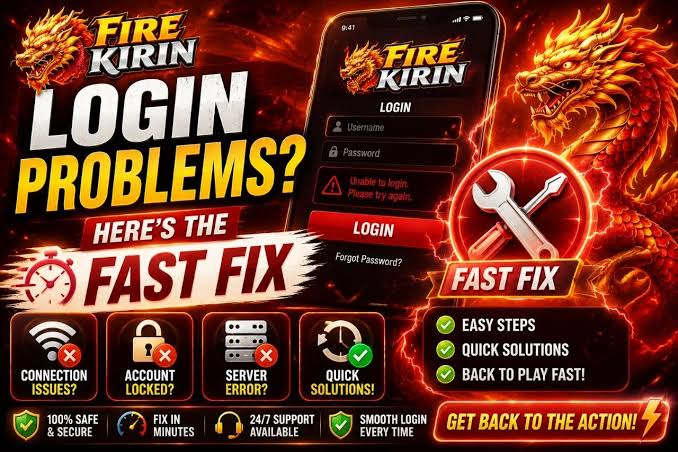
H2: Troubleshooting steps you can try now Quick checks: test internet speed and latency with a speed test app, switch networks (Wi‑Fi to cellular or vice versa), restart the game client, and reboot the device; these often resolve issues in under five minutes. If the problem persists, check the game’s official status page or social feed for outage reports and player reports; during high-load events many communities report the same issue within a short time window. As an example troubleshooting flow: (1) run speed test, (2) close background apps and relaunch Fire Kirin, (3) try a different network, and (4) confirm server status online.
H2: When to wait and when to report the issue If many players are reporting the same problem or the developer has posted a maintenance notice, waiting is typically best because fixes are deployed centrally and will restore service for everyone at once. If you’re the only person affected after trying the troubleshooting steps, collect diagnostic details (device model, OS version, network type, time of error, and any error codes) and report them to support so engineers can investigate logs and identify edge-case failures.
H2: How operators reduce busy incidents (what developers do) Developers use autoscaling, load balancing, and performance testing to reduce busy windows; for instance, staged rollouts limit how many users see a new update at once, and stress tests model peak-event traffic to size infrastructure appropriately. Operators also implement fallback servers and queuing systems so players can wait in a controlled queue rather than receiving repeated busy errors; these measures lower failed requests and make the user experience more predictable during peaks.
H2: Practical tips to avoid frustration during busy periods Plan playtime outside known peak hours (late night or early morning local time often has lower traffic), follow the game’s official channels for maintenance alerts, and prepare by keeping the app updated and your device optimized. If you manage a community or blog, post a short status update with the official channel link and recommended steps (network switch, app restart) so readers get rapid, actionable guidance while waiting for the service to recover.
Fire Kirin Guide: Login, Download, App and Online Play
This site only collects related articles. Viewing the original, please copy and open the following link:Why Fire Kirin Server Is Busy — Quick Fixes & Causes